
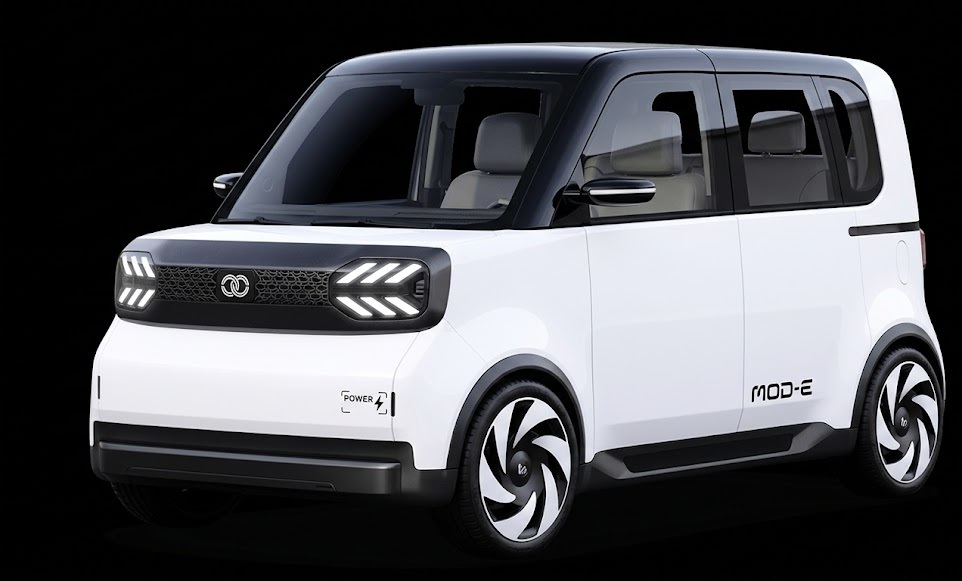
In a strategic move to capture the growing market for electric vehicles in Japan, a consortium of Japanese companies and the Chinese automaker Chery Automobile have unveiled a new brand dedicated to electric vehicles. The brand, named EMTA, is set to launch its inaugural model, a compact electric kei car, by 2027. This vehicle will cater specifically to Japan’s kei car segment, which is a significant component of the country’s automotive industry.
EMT Co., based in Yokohama, is spearheading this initiative by collaborating with various partners, including Autobacs Seven and Anest Iwata from Japan, along with Chery Automobile. The company has also partnered with a battery manufacturer to support the venture. While the design and manufacturing of the vehicles will take place in China, the planning and marketing efforts will remain focused in Japan. The vehicles are expected to feature cutting-edge technological advancements, such as wireless software updates, smartphone compatibility, and automated driving capabilities.
Kei cars, which are small vehicles designed for short commutes, represent over a third of new vehicle sales in Japan. This segment is particularly appealing for electric vehicles as the limited driving range of these cars aligns well with their typical usage for daily short trips. EMT is optimistic about the potential of this segment and plans to use selected Autobacs stores as points of sale for their vehicles. The company is also looking to expand its lineup by introducing three more electric vehicle models by 2029, with aspirations to eventually manufacture in Japan and explore international markets.
The launch of the EMTA brand comes amid growing competition in Japan’s kei electric vehicle market. Chinese automaker BYD is preparing to introduce its Racco kei EV tailored for Japan, while Nissan Motor has recently added a more affordable option to its Sakura series. Additionally, Suzuki Motor is gearing up to release a kei EV within this fiscal year, and Honda Motor is developing an electric version of its well-known N-Box model, expected to arrive in 2028.
The intensified activity within the kei EV sector signifies a broader trend towards electrification in Japan’s automotive market. As more automakers vie for the attention of budget-conscious urban consumers, the push for innovative and efficient electric vehicles is set to shape the future of transportation in the country.