
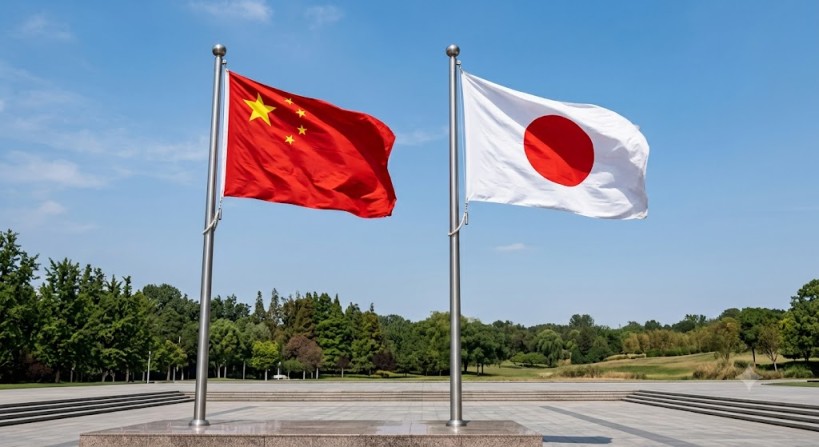
In a move that has heightened diplomatic tensions, China has imposed new export controls on 40 Japanese entities, accusing them of aiding in Japan’s military enhancement and efforts towards “remilitarization.” The restrictions specifically target 20 Japanese companies and divisions, including branches of major firms. These controls prevent both Chinese and international exporters from selling certain dual-use goods—items that have both civilian and military applications—to these entities.
Additionally, another set of 20 Japanese entities has been placed on a watch list. Exporters dealing with these entities must now secure special approvals, conduct risk assessments, and ensure that their products will not be used for military purposes. China justifies these measures as necessary to curtail what it perceives as Japan’s expanding military ambitions. Beijing has voiced particular concern over Japan’s efforts to bolster its defense capabilities, which include the development of long-range weapons and closer security alliances with other nations.
Japan has denounced China’s export controls as unacceptable, urging Beijing to rescind the measures. Japanese officials have indicated they will assess the repercussions of the restrictions and consider appropriate counteractions. The diplomatic rift comes in the wake of Japan’s recent expansion of its defense strategy and enhancements to its military capabilities, actions that have been met with repeated objections from Beijing, especially regarding issues related to Taiwan.
Analysts suggest that China’s restrictions may serve as a diplomatic signal rather than a comprehensive economic measure, reflecting the fragile nature of Sino-Japanese relations amidst broader regional security issues. Nonetheless, the move underscores the continuing strain between the two Asian powers, as both navigate complex geopolitical landscapes and competing security interests.