
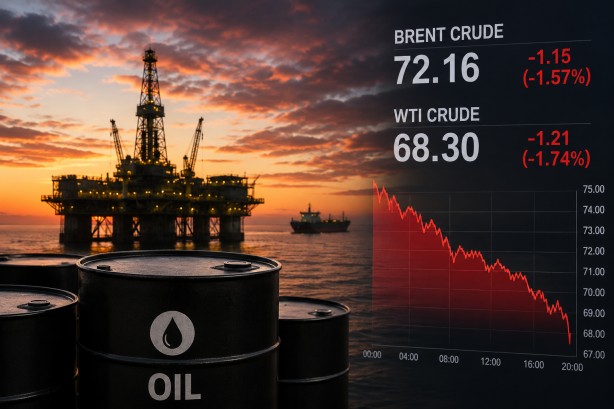
On Thursday, oil prices saw a slight decrease as investors decided to cash in on gains and evaluate the effects of rising tensions between the United States and Iran. Brent crude experienced a 0.52% drop to $84.51 per barrel, while US West Texas Intermediate crude slipped by 0.29% to $79.37 per barrel. Despite these decreases, both benchmarks stayed near their highest levels in a month, having initially continued their upward trend.
Investor sentiment has been influenced by fears of potential disruptions in oil supply following new US military strikes on Iranian sites and Iran’s subsequent threats to limit energy exports in the region. A significant concern for traders is the Strait of Hormuz, a vital passage for a large portion of the world’s oil and liquefied natural gas shipments. Reports have indicated a decrease in shipping traffic through the strait after the latest surge in hostilities.
Geopolitical tensions have been a key factor in maintaining elevated oil prices, as highlighted by market analysts. Despite this, investors are keeping a close watch on the situation to determine if the conflict might lead to major disruptions in energy supply chains. The ongoing situation has not only affected the Strait of Hormuz but also raised alarms about the Bab el-Mandeb Strait, another crucial route for energy transit, amid fears of potential regional involvement.
Analysts have issued warnings that should the tensions escalate further, leading to continued export disruptions, oil prices might climb even higher. Conversely, a reduction in hostilities could result in a drop in prices later in the year. The current state of affairs underscores the fragility of global oil markets and the significant impact that geopolitical developments can have on energy prices.