
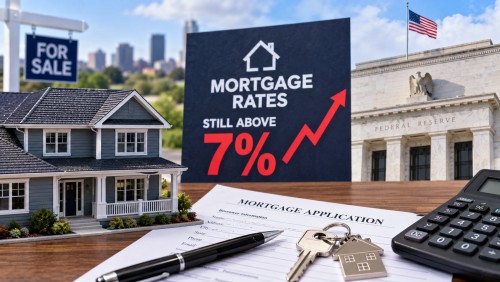
The recent decision by the Federal Reserve to increase its interest-rate range to 3.75%–4% has left prospective homebuyers facing mortgage rates that continue to hover above 7%. This rate environment persists as inflation remains stubbornly above the Fed’s 2% target, contributing to elevated borrowing costs for those looking to enter the housing market.
As of September 17, 2026, the average rate for a 30-year fixed mortgage in the United States was recorded at 7.37%, while the 15-year mortgage rate averaged 6.62%. These figures represent a significant rise from earlier in the year, with the 30-year rate climbing from 5.75% in March. The escalation in rates has resulted in higher monthly payments, thereby straining many potential buyers financially.
Mortgage rates are influenced by a variety of factors, including financial market trends, investor demand, and inflation expectations, rather than moving in direct tandem with the Fed’s policy rate. This means that while the Fed’s recent rate hike impacts broader economic conditions, it does not directly dictate mortgage rate changes.
Despite the general increase, borrowers might still secure rates below the national average by leveraging factors like a strong credit score, substantial down payment, or favorable loan terms. Options such as purchasing mortgage points to lower interest rates or opting for adjustable-rate mortgages, which start lower but can increase after the initial period, remain available.
For homeowners considering refinancing, the costs have also increased. The average refinancing rate for a 30-year term reached 7.41%, and the 15-year refinance rate was at 6.75%. This makes refinancing less appealing for those holding existing mortgages with significantly lower rates, unless the potential long-term savings justify the upfront costs.
Looking ahead, future shifts in mortgage rates will be largely dictated by economic indicators like inflation, market conditions, and projected Federal Reserve policy changes. While some might anticipate potential decreases, there is no certainty that waiting will yield lower borrowing costs. The current landscape underscores the importance for borrowers to carefully evaluate their financial situation and available options in this high-rate environment.